
Sex Myths Debunked: Kinks and Fetishes are a Sign of Trauma or Dysfunction
An age-old Sex Myths Debunked – kinks and fetishes are a sign of trauma or dysfunction. You know, the one that says that if you’re into anything remotely unconventional in the bedroom, you must be broken, damaged, or somehow flawed. Well, let me tell you, that’s a whole lotta B.S.. Research defintely says otherwise.
Our desires, fantasies, and preferences are a natural part of the human experience. They’re not a reflection of our past, but rather a celebration of our individuality and creativity.
Sex Myths Debunked: A Product of Societal Shame
So, where did this myth come from? Well, it’s largely a product of societal shame and the stigma surrounding sex in general. For centuries, we’ve been taught that sex is only for reproduction, and that any form of pleasure or experimentation is sinful or wrong. This puritanical mindset has led to the demonization of anything that doesn’t fit the narrow mold of “normal” sexuality.
But here’s the thing: what’s normal, anyway? Is it the missionary position, lights off, and a quickie before bed? Newsflash: that’s not everyone’s cup of tea. In fact, research suggests that up to 60% of people have at least one fetish or kink, with BDSM being one of the most common.
Research Says…
Studies have consistently shown that kinks and fetishes are not a sign of trauma or dysfunction. In fact, a 2013 study published in the Journal of Sexual Medicine found that BDSM practitioners reported higher levels of intimacy, communication, and relationship satisfaction compared to non-BDSM participants.
Healthy Exploration vs. Pathology
Now, I know what you’re thinking: “But what about people who have experienced trauma? Doesn’t their kink or fetish stem from that?” Not necessarily. While it’s true that some people may develop kinks or fetishes as a coping mechanism for past trauma, this is not always the case.
In fact, research suggests that healthy exploration of kinks and fetishes can actually be a sign of emotional intelligence, creativity, and a willingness to challenge societal norms. It’s all about consent, communication, and mutual respect – the same principles that govern healthy relationships.
Normalizing Kink
We consider this Sex Myths Debunked! So, how do we normalize kink and fetish culture? By talking about it, for starters. By embracing our desires and fantasies, rather than shaming or hiding them. By recognizing that kinks and fetishes are a natural part of human sexuality, rather than a deviation from the norm.
So, the next time someone tells you that your kink or fetish is a sign of trauma or dysfunction, you tell them to take a seat. Research says otherwise. Our desires, fantasies, and preferences are a natural part of the human experience. Let’s celebrate our individuality, rather than shaming or hiding it.
And remember, sweethearts: kink is not a four-letter word. It’s a celebration of our humanity, creativity, and passion.

The History of Sex Symbols: From Goddesses to Hollywood
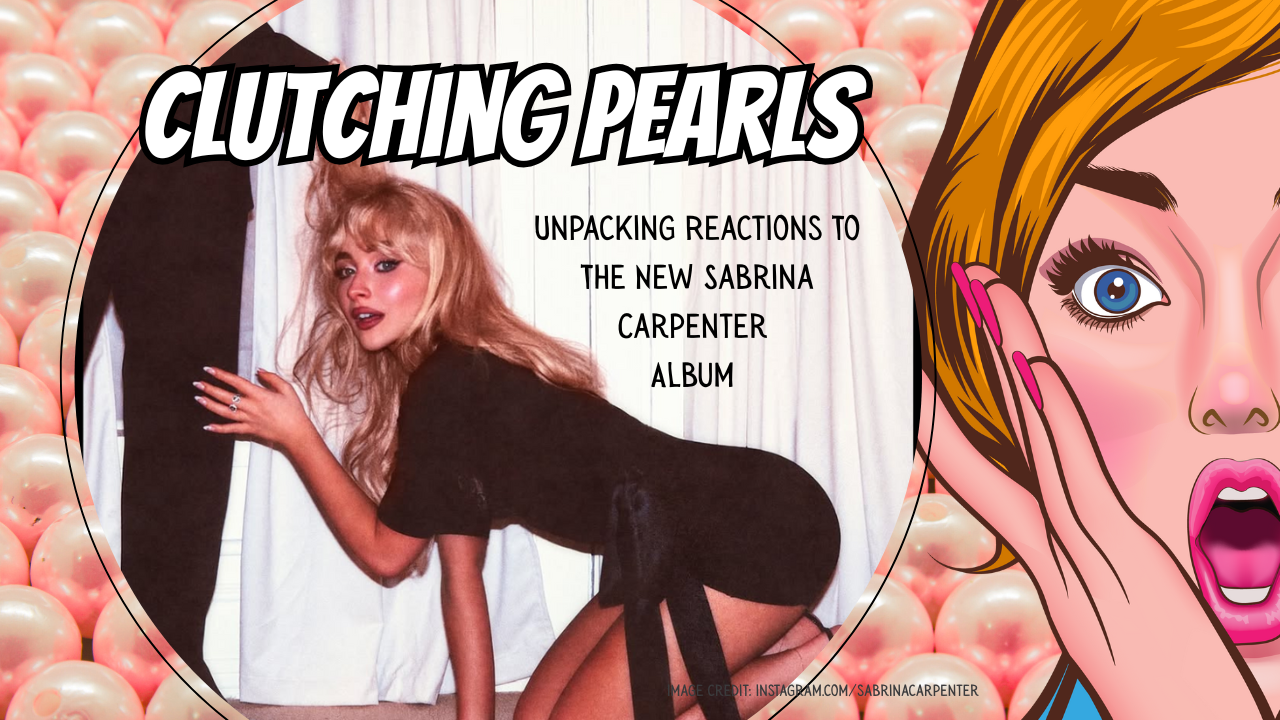
Sabrina Carpenter Announces New Album and Everyone Loses Their Minds

What is Sitophilia? Savor the Naughty Details
About The Author

Peach Kisser
Peach Kisser is a femme-coded corner of the internet dedicated to sass, sensuality, and smart takes on culture and the adult industry. Our writers mix sharp critique with bold storytelling to keep you entertained and a little bit scandalized.