
Low Testosterone in Women: Symptoms, Hormones, and Why You Might Want to Check Your Levels
When was the last time you thought about your testosterone levels? If you’re anything like some of us here–almost never. But LISTEN TO ME–do not discount the role testosterone plays in your overall health, just because you’re not a man.
You may not be the home of the Y-Chromosome, but low testosterone can ruin your health in unexpected ways. When most people hear the word testosterone, they think of men being manly and rampant sex drives. The truth is: Women have testosterone too. And women need testosterome in order to function sexually and to keep our reproductive system in good health.
And truth be told: low testosterone affects women far more than we’ve been led to believe.
While baseline female testosterone levels are much lower than cisgender men, low levels can really affect your reproductive functions in ways you may not expect. You may have even thought you were entering perimenopause.
Low Testosterone in women affects things like:
- Energy
- Libido
- Muscle strength
- Mood
- Sleep
- Metabolism
- Menstrual cycles
If you’re feeling a lot of symptoms in these areas, it may be worth considering connecting with a healthcare professional to discuss your hormone functions. In fact, I beg of you to do so, because this is no substitute for medical advice.
There is a path to feeling better. I promise.
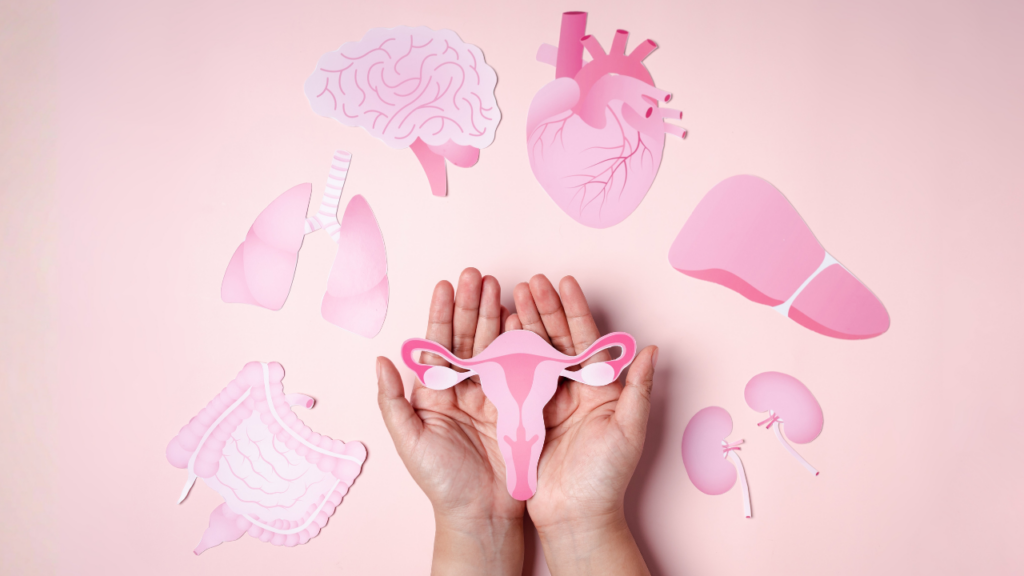
The Hormone Functional Medicine Does Not Ignore
You’re not crazy. You are experiencing symptoms, and may have even been gaslit about them in medical settings. When testosterone levels are off, it can sometimes show up as hormone imbalance symptoms in women that feel confusing or hard to explain. You may even think you’re in perimenopause, or maybe you suspect you have PCOS.
The reality is, it’s entirely possible your levels may look normal on paper, but are sub-optimal for your body.
Functional medicine focuses on finding optimal levels when you’re experiencing symptoms, in order for you to feel your best. Finding a functional medicine doctor near you can certainly help open new doors in your health journey.
What Does Testosterone Do in Women?
Okay, so by now you know that testosterone is important in women. So what does it actually do?
Testosterone is produced in the ovaries and adrenal glands. This is a critical hormone in sexual function, and works synergistically with other hormones (i.e., estrogen and progesterone) to help regulate systems in the body–like your reproductive system!
Healthy female testosterone levels can impact:
- Sexual desire and responsiveness
- Physical strength and muscle tone
- Energy and motivation
- Clear thinking
- Mood balance
Instead of something that exclusively makes you absolutely randy–you can think of testosterone as a hormone that helps your body feel energized, motivated, and responsive in multiple biological facets.
This means that testosterone impacts your life both inside and outside of the bedroom.
When levels drop too low, some women start noticing changes that feel subtle at first, or even unrelated.
Symptoms of Low Testosterone in Women
The symptoms of low testosterone in women can look different for everyone, but some common experiences include:
- Low libido
- Low energy or fatigue
- Brain fog
- Mood changes
- Difficulty sleeping
- Night sweats/Hot Flashes
- Difficulty gaining muscle
- Trouble losing weight
- Irregular menstrual cycles
A regular cycle is one of the best indicators of hormonal health in women. If your cycle is shifting from what you’re typically used to experiencing, you may have a hormonal imbalance that needs to be addressed.
These symptoms can also overlap with other forms of hormone imbalance in women due to PCOS, perimenopause, or other ailments–which is why testing in a medical environment can provide helpful information for a correct diagnosis.
When Your Body Stops Responding the Way It Used To
We’ve been there. We’ve worked out for hours, strictly adhered to low calorie counts, only to gain no muscle and lose no fat. So what gives? Are you special? Are you breaking the laws of thermodynamics?
The short answer: no.
However, your hormone function and thyroid function can affect your BMR in unexpected ways, as well. One of the most frustrating experiences many women have is feeling like their body just won’t cooperate anymore. Addressing hormonal imbalance may be the key to allegiating your woes.
You might notice things like:
- You’re exercising, but it’s hard to gain muscle
- You’re eating well, but you still can’t lose weight
- Your energy feels lower than it used to
Testosterone plays a significant role in muscle development and metabolism, which means lower levels can sometimes affect how your body responds to exercise.
This doesn’t mean testosterone is the only factor at play. However, if you’re really wanting to get to the bottom of your symptoms, it’s worth asking your medical staff for a full hormone panel.
Why Some Hormone Symptoms Can Look Like PMOS
Many people are familiar with PMOS (Polyendocrine Metabolic Ovarian Syndrome, formally known as PCOS). PMOS is often associated with symptoms like:
- Irregular periods
- Weight changes
- Fatigue
- Metabolism issues
- Hormonal acne
- Changes in libido
Which sounds remarkably like the symptoms in perimenopause and low testosterone–among other potential conditions. But here’s something important to know:
You can experience PMOS-like symptoms without having PMOS.
Hormones work together as a system. When one hormone shifts—like testosterone—it can sometimes create symptoms that resemble other hormone conditions.
Can Low Testosterone Cause Irregular Periods?
Many people think irregular periods are only caused by estrogen or progesterone issues. But testosterone also plays a supporting role in ovulation and overall hormone balance.
Some women with hormone imbalance symptoms notice their cycles become:
- Less predictable
- Longer or shorter than usual
- Lighter or heavier than before
If your menstrual cycle suddenly changes, it can be a sign your hormones are shifting. That doesn’t automatically mean something is wrong. But it can be a helpful signal to look at the full hormone picture. Especially if you’re on birth control.
Should Women Check Their Testosterone Levels?
If this topic resonates with you, consider discussing it with a healthcare practitioner you trust. A qualified medical professional can help determine whether a hormone panel for women might be helpful for understanding what your body is experiencing.
If you’ve been experiencing symptoms like low energy, low libido, difficulty losing weight, or irregular cycles, it might be worth exploring. Many standard blood tests don’t automatically include testosterone for women, so sometimes you have to ask about it specifically.
Decoding Your Body’s Messages
Changes in energy, libido, weight, muscle, or menstrual cycles are often your body’s way of saying something in your internal system has shifted. If you are experiencing changes in your body, understanding your hormones and their function in the body can be the key to unlocking your path to healthy balance once again.
This article is for educational purposes only and is not intended to diagnose, treat, or replace personalized medical advice from a qualified healthcare professional.
How to Masturbate – Volume II, Intro to Sex Toys

Hygiene Chat: Clean Underwear is Sexier than Lingerie

What is Sitophilia? Savor the Naughty Details
About The Author

Amara Francesca
Amara Francesca is the Editor-in-Chief of PeachKisser.com, where sass meets sensuality, blending sharp cultural critique with unapologetically femme storytelling. Part critic, part storyteller, she covers the adult industry and self-love with a sharp, playful edge.